
About
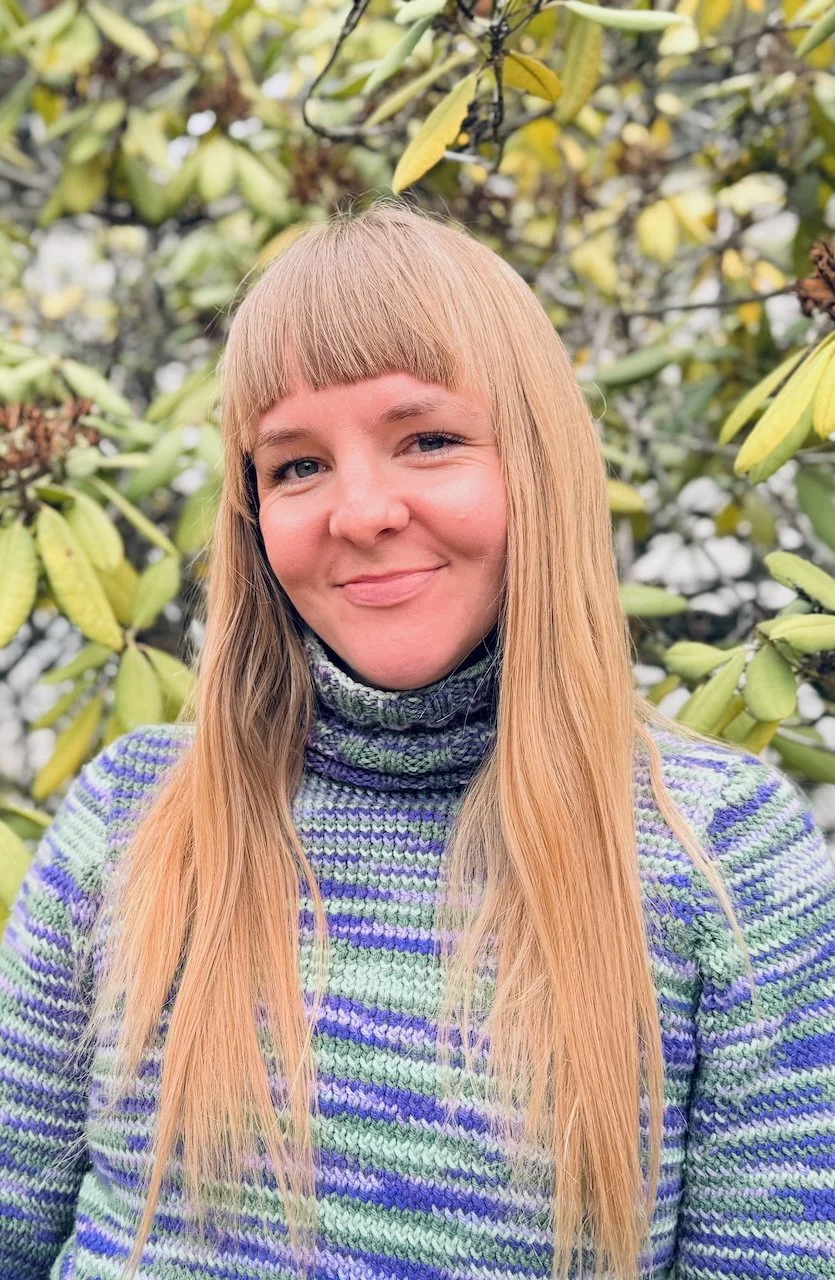
Who is Rachel?
Rachel is a graduate of the 3,000-hour Registered Massage Therapy program in Nelson, BC. She has gained valuable clinical experience providing massage therapy throughout the Kootenays.
As a practitioner, she is known for her attentive, thoughtful approach to care. She is a highly attuned manual therapist who listens closely to both her clients and their bodies. Her treatments are informed by a strong foundation in anatomy and physiology and may include work with joints, soft tissues and musculature, fascia and connective tissue, as well as the nervous system.
Rachel’s goal is to help create a sense of safety in the body, supporting the release of long-held patterns that can contribute to pain and discomfort.
Rachel’s interest in integrative care is shaped by her own experiences navigating a chronic health condition. Through this journey, she developed a deep appreciation for a broad, holistic view of health and healing. She explored a range of complementary approaches, including Traditional Chinese Medicine, acupuncture, herbal medicine, naturopathic medicine, somatic therapy, and counselling modalities such as Internal Family Systems. These experiences have informed her respectful, whole-person approach to care and her ability to work collaboratively within a multidisciplinary healthcare team.
Rachel is passionate about supporting individuals wherever they are on their healing journey and is dedicated to creating a welcoming, inclusive, and non-judgmental therapeutic environment.
Outside the clinic, Rachel enjoys music—playing piano and singing—as well as dance. She is always happy to talk about movement and creativity, including contact improvisation- and its physics-based approach to movement.
Why Choose Rachel?
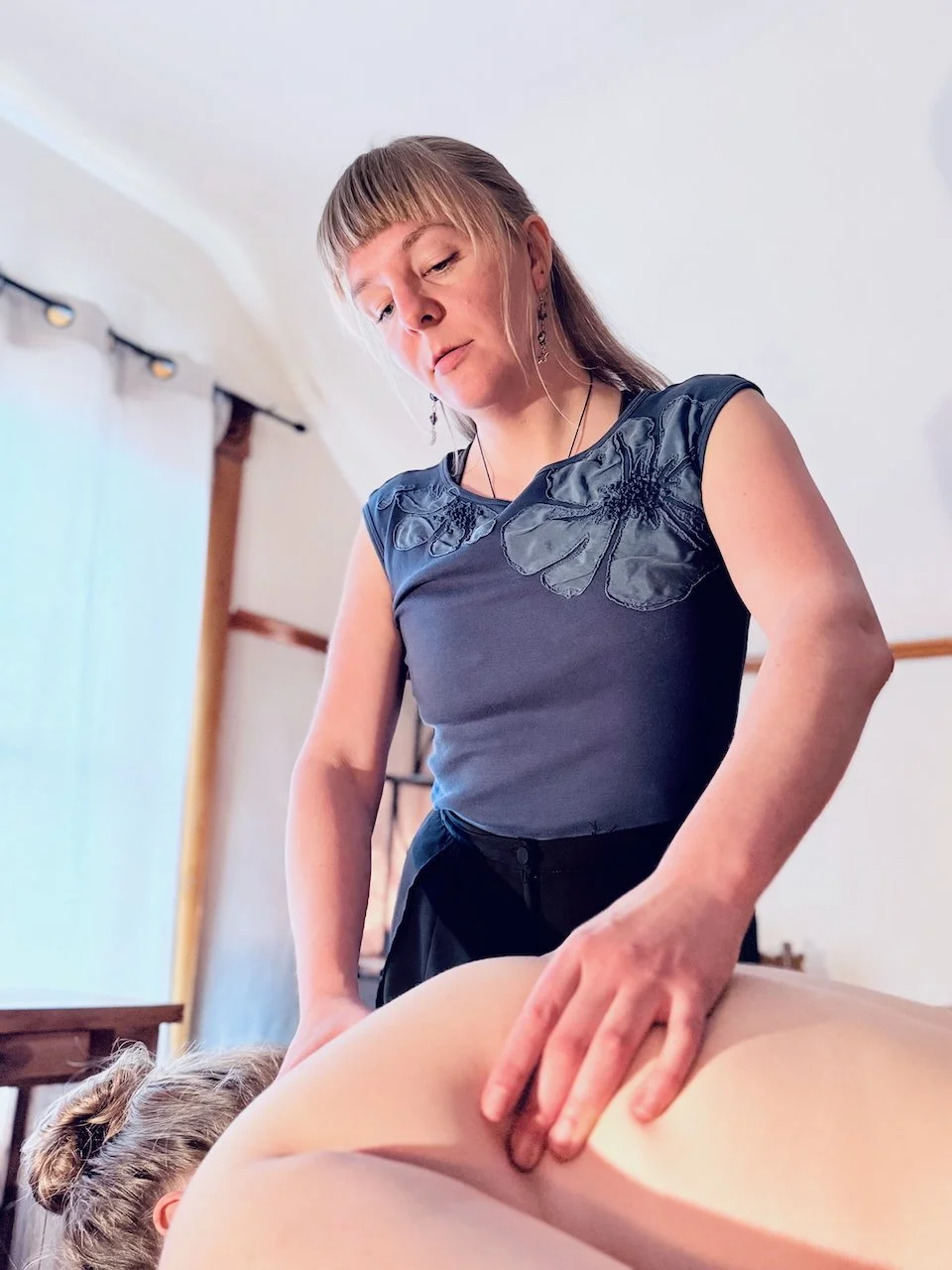
My role as an RMT is to facilitate self-healing, alignment, and ease in the body.
My role is not to force your body to let go of tension.
Muscles don’t let go of tension through force—they let go through safety.
When the body perceives pain or excessive pressure, it activates the sympathetic nervous system (your stress response). In this state, muscles are more likely to guard and resist, which can make deep, aggressive techniques less effective—or even counterproductive.
By working at a depth your body can comfortably receive, we encourage the parasympathetic response (“rest and digest”), where real release and recovery can occur.
So why does this matter?
Effective treatment isn’t about applying a predetermined level of pressure—it’s about listening.
As an RMT, I continuously assess how your body is responding in real time. Through touch, tissue quality, and subtle changes in resistance, I can feel when your body is receptive and when it’s guarding.
This allows me to adjust pressure moment by moment, working at the depth your tissues are ready to accept. When your body feels safe and supported, it responds more openly—making treatment not only more comfortable, but more effective.
That means: deep, attuned pressure that your body can receive.
When you book a treatment with me, you can find out what’s possible when you work with the body, not against it.